Climate-related shocks are increasingly affecting the lives and livelihoods of communities across Nigeria.
Flooding, changing weather patterns, environmental degradation, and other climate-related pressures can damage homes, disrupt livelihoods, affect food production, and increase existing vulnerabilities.
For communities already experiencing poverty, displacement, or conflict, these shocks can be particularly difficult to withstand.
Building climate resilience must therefore begin with the people and communities most directly affected.
When Climate Shocks Become Humanitarian Crises
A flood can destroy a home within hours.
It can also destroy crops, livestock, businesses, roads, sanitation facilities, and other essential infrastructure. Families may be forced to relocate, while children may lose access to education and vulnerable people may face additional protection risks.
The effects can continue long after floodwaters recede.
For communities with limited resources, recovering from one shock can take months or years, leaving households vulnerable to the next crisis.
This is why humanitarian response and climate resilience need to be connected.
Resilience Means Preparing Before the Crisis
Responding after a disaster is essential, but preparedness can reduce the impact of future shocks.
Community-level resilience may involve strengthening early warning and preparedness systems, improving access to information, supporting climate-resilient livelihoods, protecting water sources, promoting sustainable environmental practices, and helping households understand and prepare for local risks.
The appropriate solutions will differ from one community to another.
That is why local knowledge matters.
Local Communities Know Their Environment
People who live in a community understand its environment in ways that external actors may not.
They know which areas flood first, which livelihoods are most vulnerable, where water sources are located, how seasonal changes affect agriculture, and which community networks can mobilise during emergencies.
Development programmes can become more effective when this knowledge is incorporated into planning.
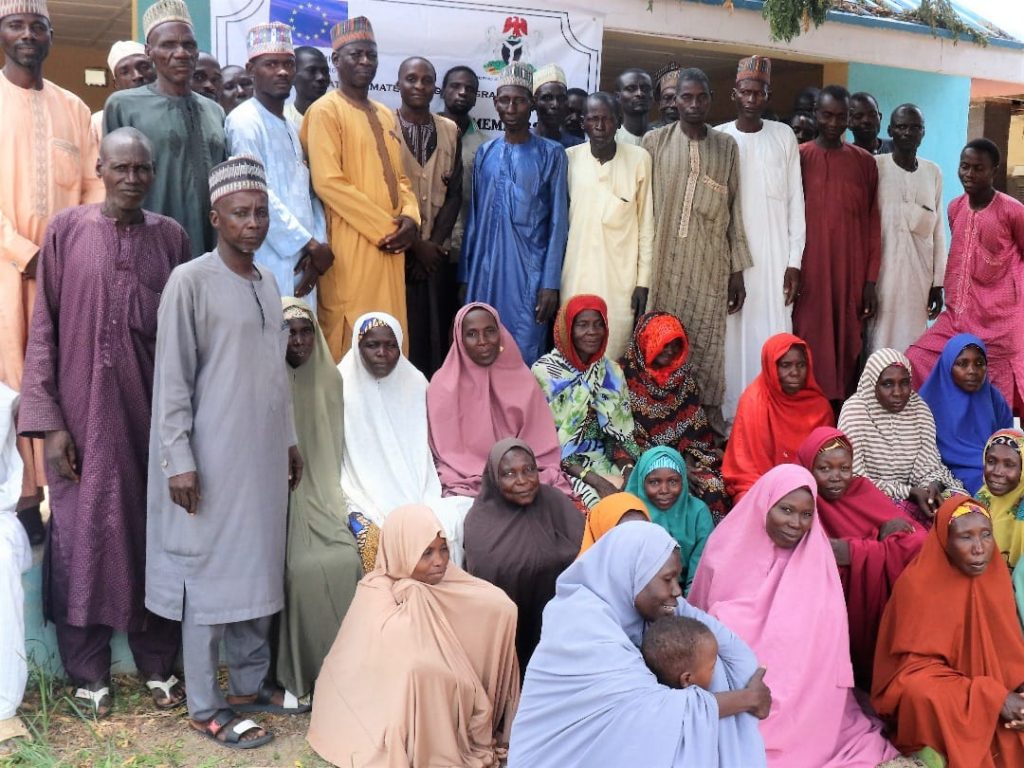
At LOCDIN, a community-rooted and participatory approach helps ensure that people are involved in identifying challenges and developing solutions.
Protecting Livelihoods
Climate resilience is also an economic issue.
When a household’s primary livelihood depends on agriculture, livestock, fishing, trading, or other climate-sensitive activities, environmental shocks can have immediate economic consequences.
Supporting livelihood diversification, skills development, entrepreneurship, and appropriate climate-resilient practices can help households reduce their vulnerability.
Economic resilience can, in turn, strengthen a community’s ability to respond to emergencies.
From Vulnerability to Opportunity
Climate change presents serious challenges, but communities should not be viewed only through the lens of vulnerability.
They also possess knowledge, creativity, skills, and leadership.
Young people can contribute to environmental innovation. Farmers can adopt appropriate climate-resilient practices. Community groups can participate in preparedness activities. Local leaders can support awareness and coordination.
With the right partnerships and resources, communities can become active drivers of climate adaptation.
Building an Environmentally Friendly Nigeria
LOCDIN’s vision is of a Nigeria that is self-reliant and thriving under peaceful, safe, and environmentally friendly conditions, where every community has the opportunity to develop and flourish.
Achieving this vision requires connecting humanitarian assistance, livelihoods, community development, and environmental resilience.
It also requires partnerships between communities, civil society organisations, government institutions, development actors, and other stakeholders.
The Future Begins Locally
Climate resilience may sound like a global challenge, but its solutions are often deeply local.
A prepared household, an informed community, a resilient livelihood, a protected water source, or a locally led environmental initiative can all contribute to a stronger future.
LOCDIN believes that sustainable change begins from the ground up.
When communities are equipped to understand risks, prepare for shocks, protect their livelihoods, and lead local solutions, climate resilience becomes more than a concept—it becomes a pathway to a safer and more sustainable future.
Leave a Reply